

JUNZHIJIA
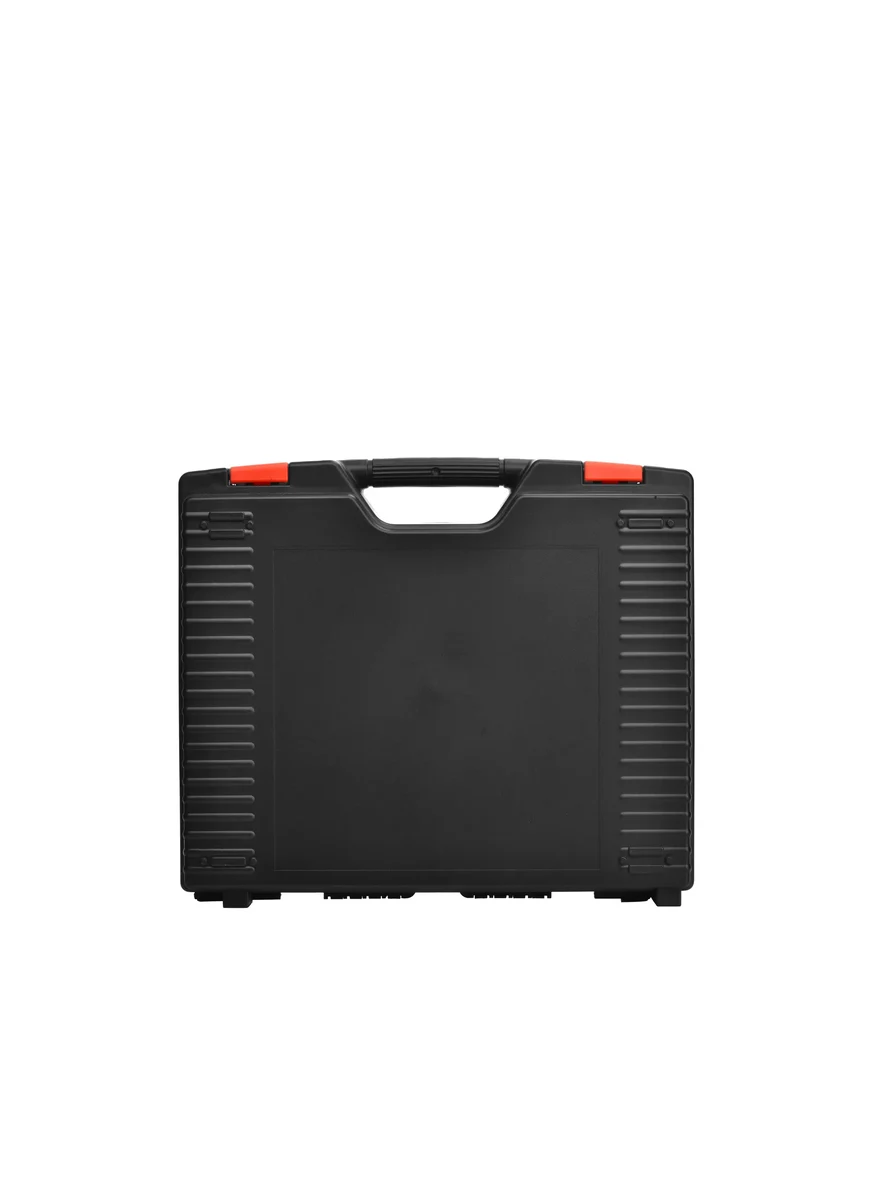
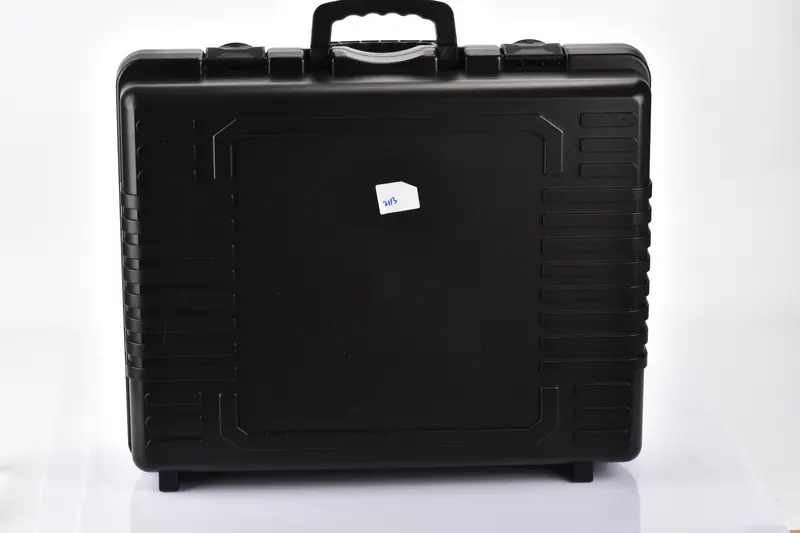
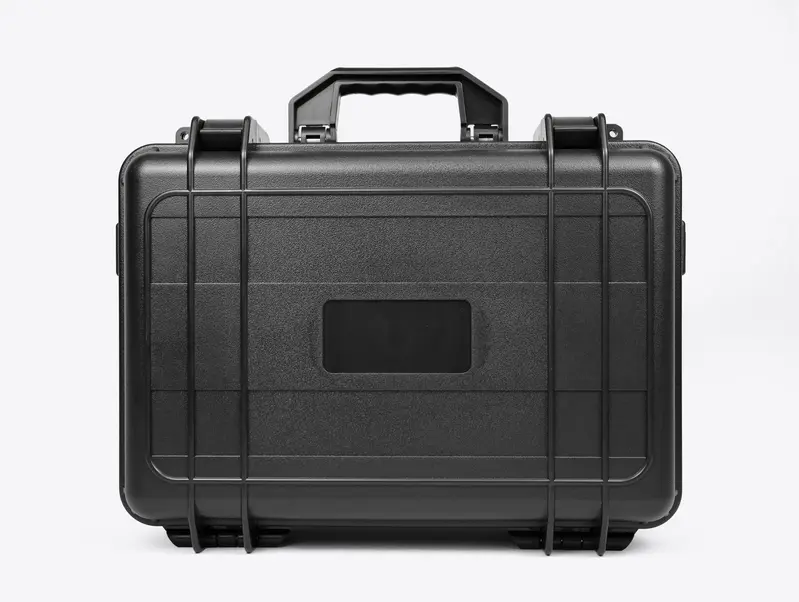
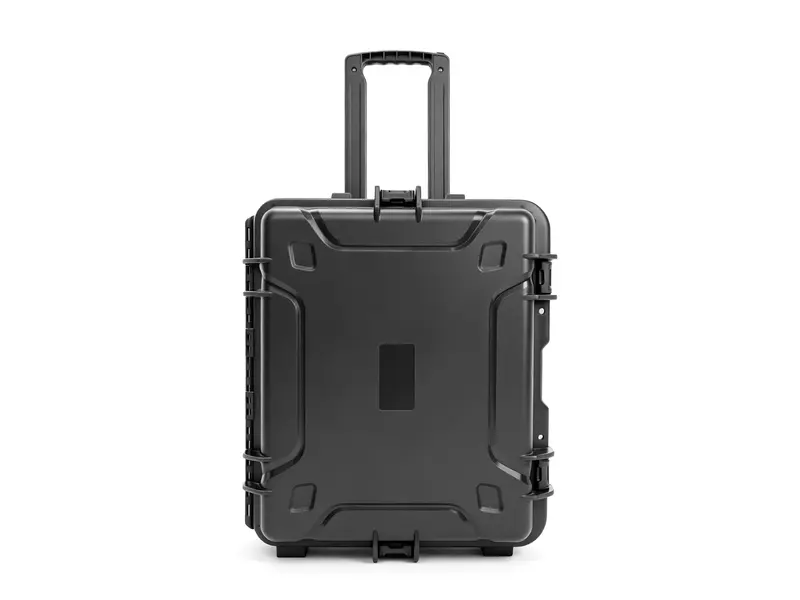
JUNZHIJIA protective cases
JUNZHIJIA · PROFESSIONAL PROTECTIVE CASES

Rugged Protection for What Matters Most

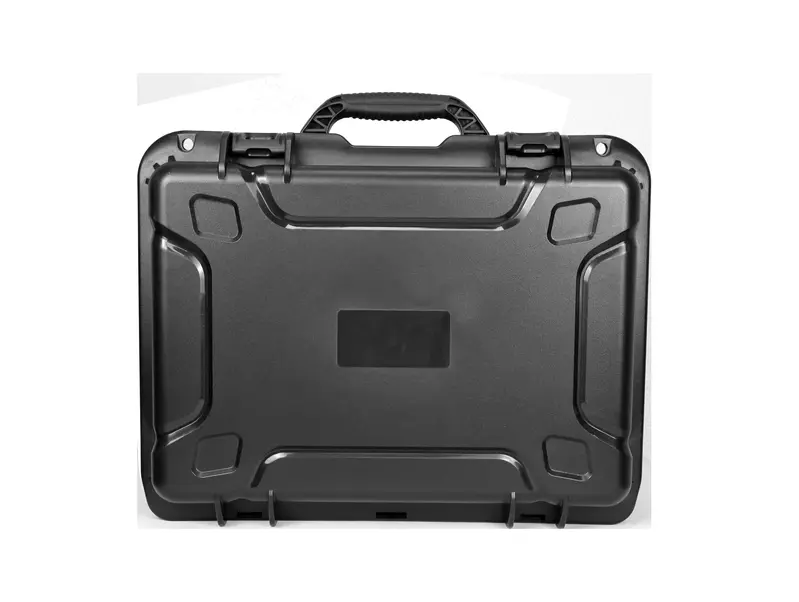
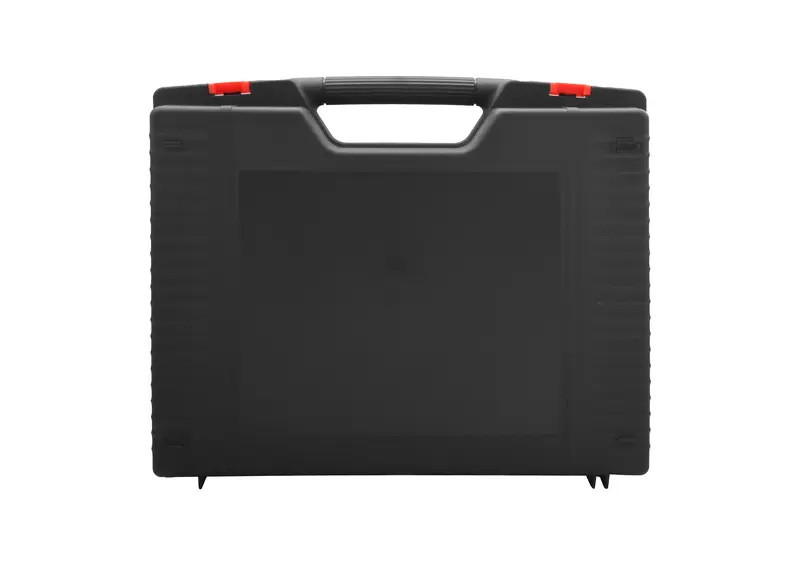
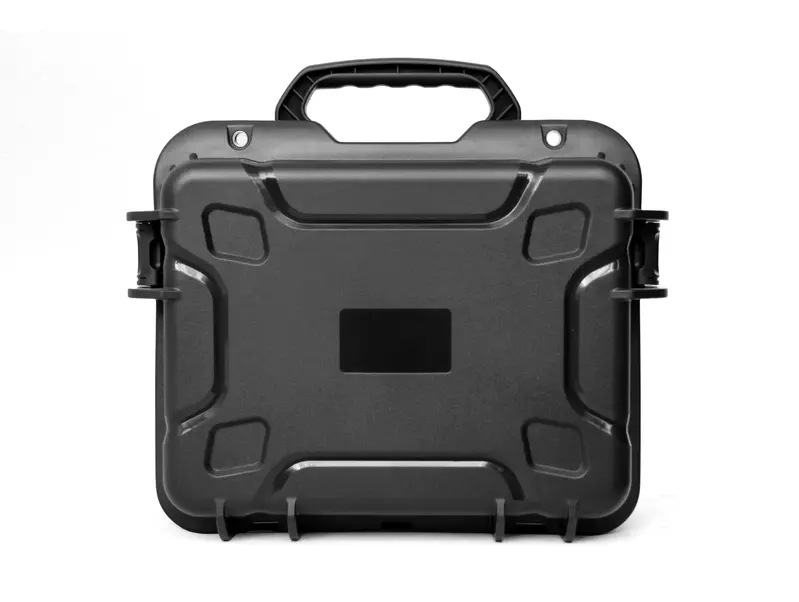
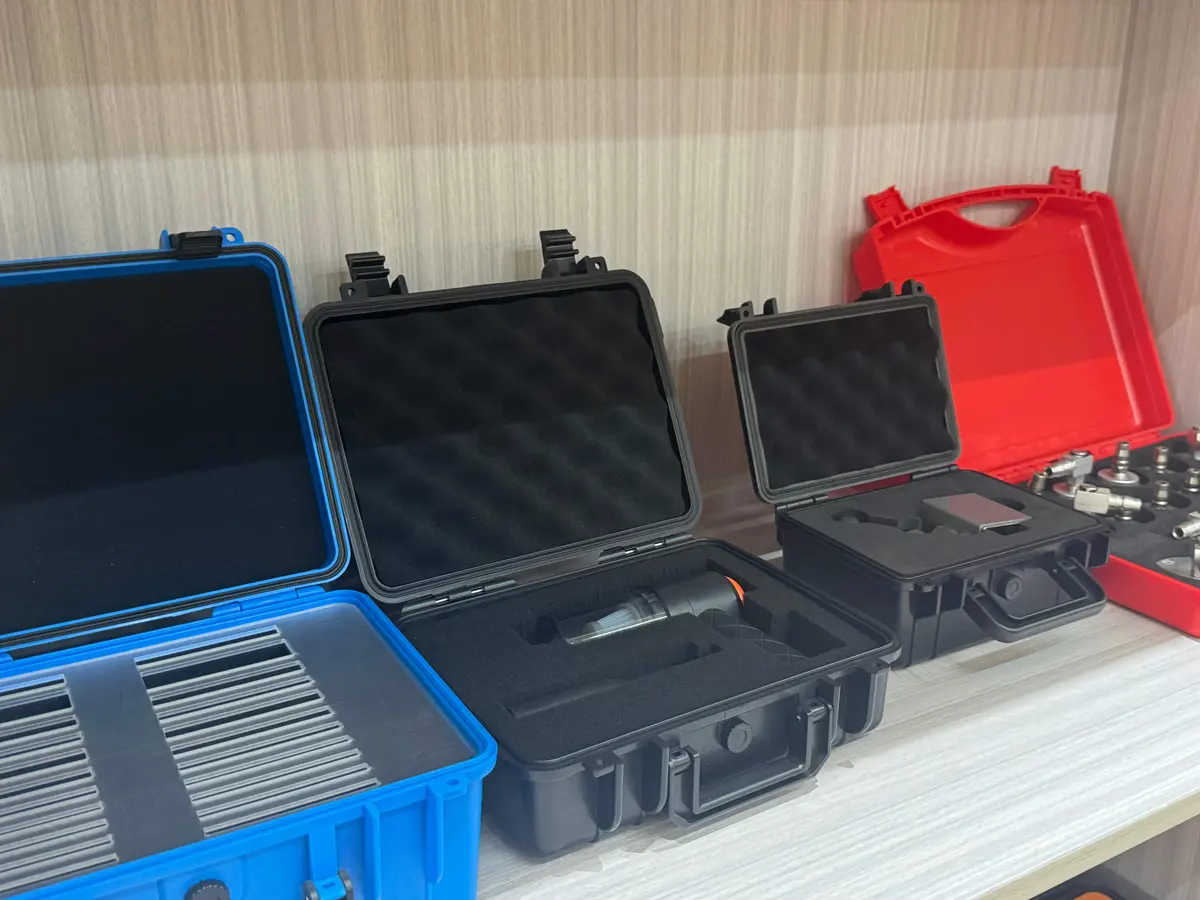
JUNZHIJIA hard cases — IP67 waterproof, dustproof and impact-resistant. Factory-direct OEM/ODM, wholesale and global supply from Zhongshan, China.

WHY JUNZHIJIA

Engineered Where It Counts

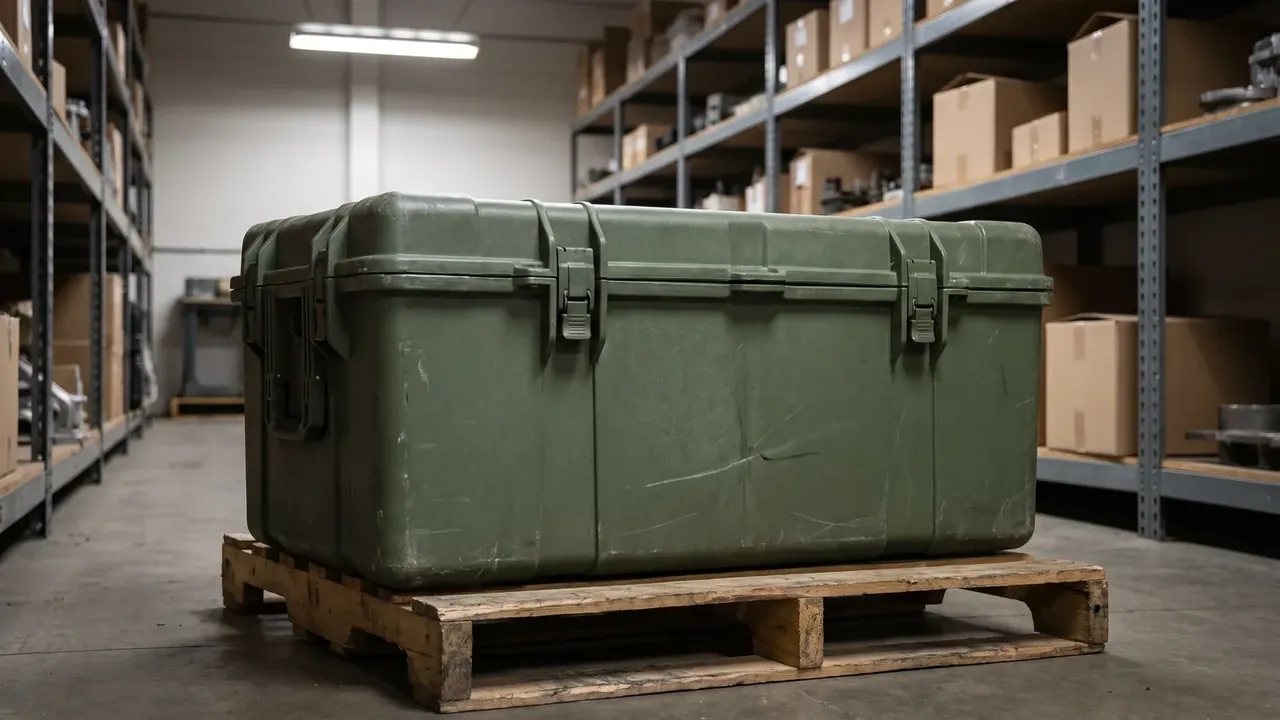
IP67 Rated Protection

Waterproof, dustproof and impact-resistant; drop-tested per MIL-STD-810H.

One-Piece Molding

Engineering PP / ABS with reinforced rib structure for long service life.

One-Stop Customization

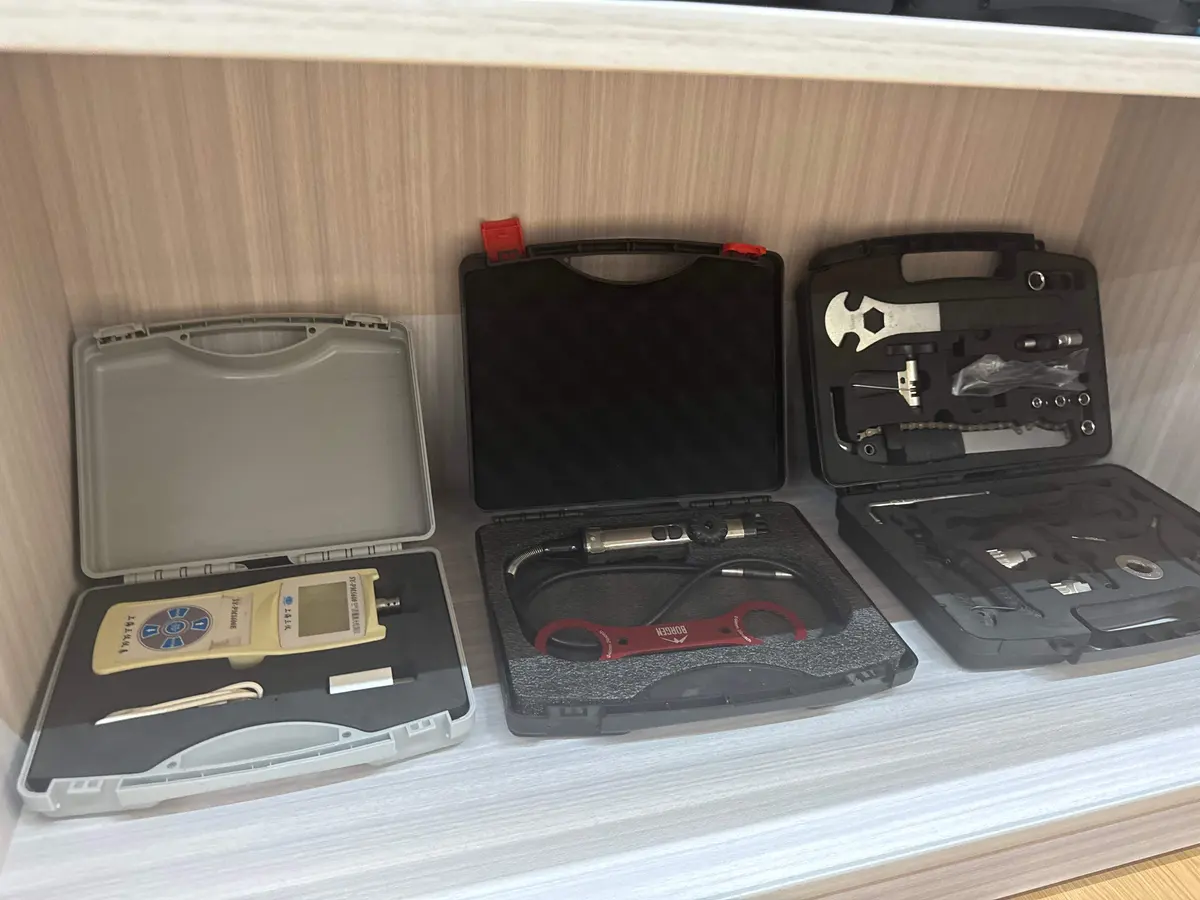
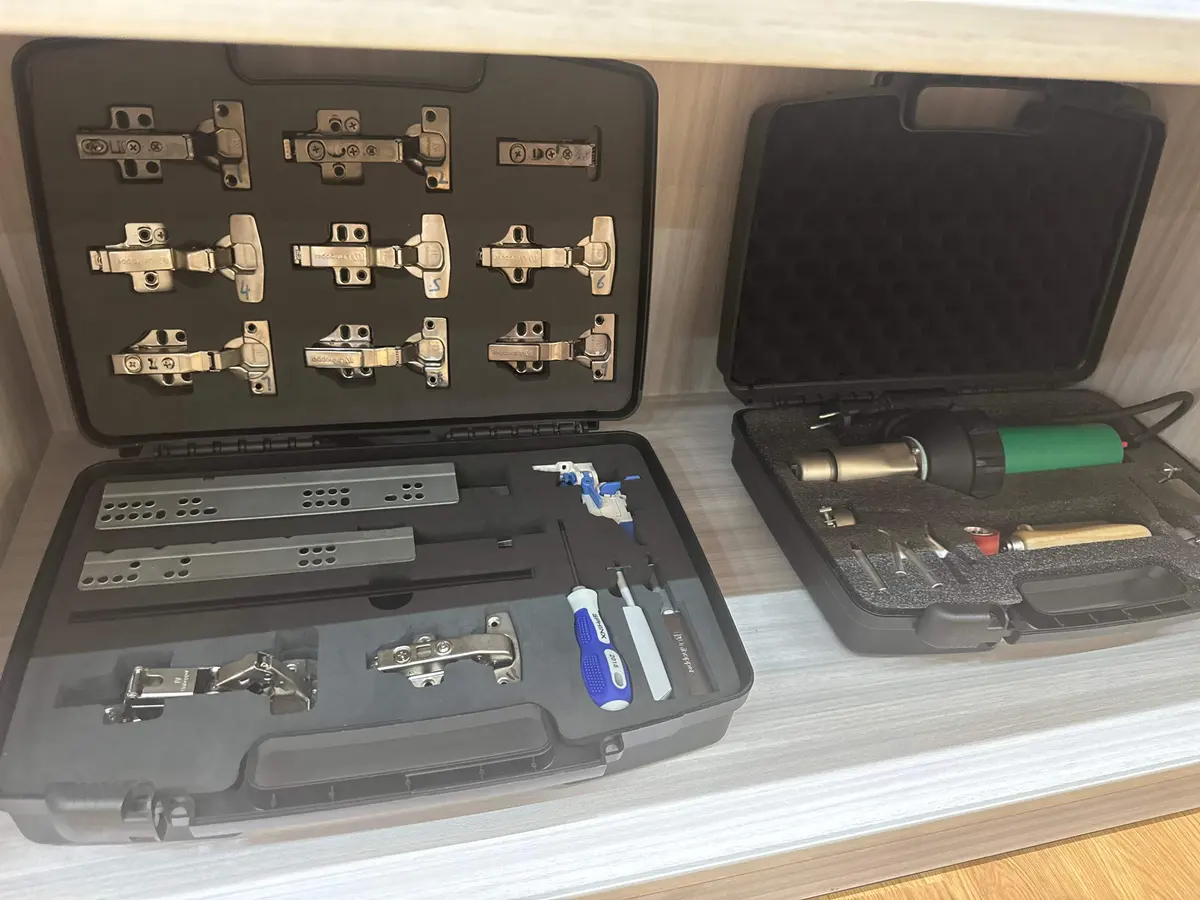
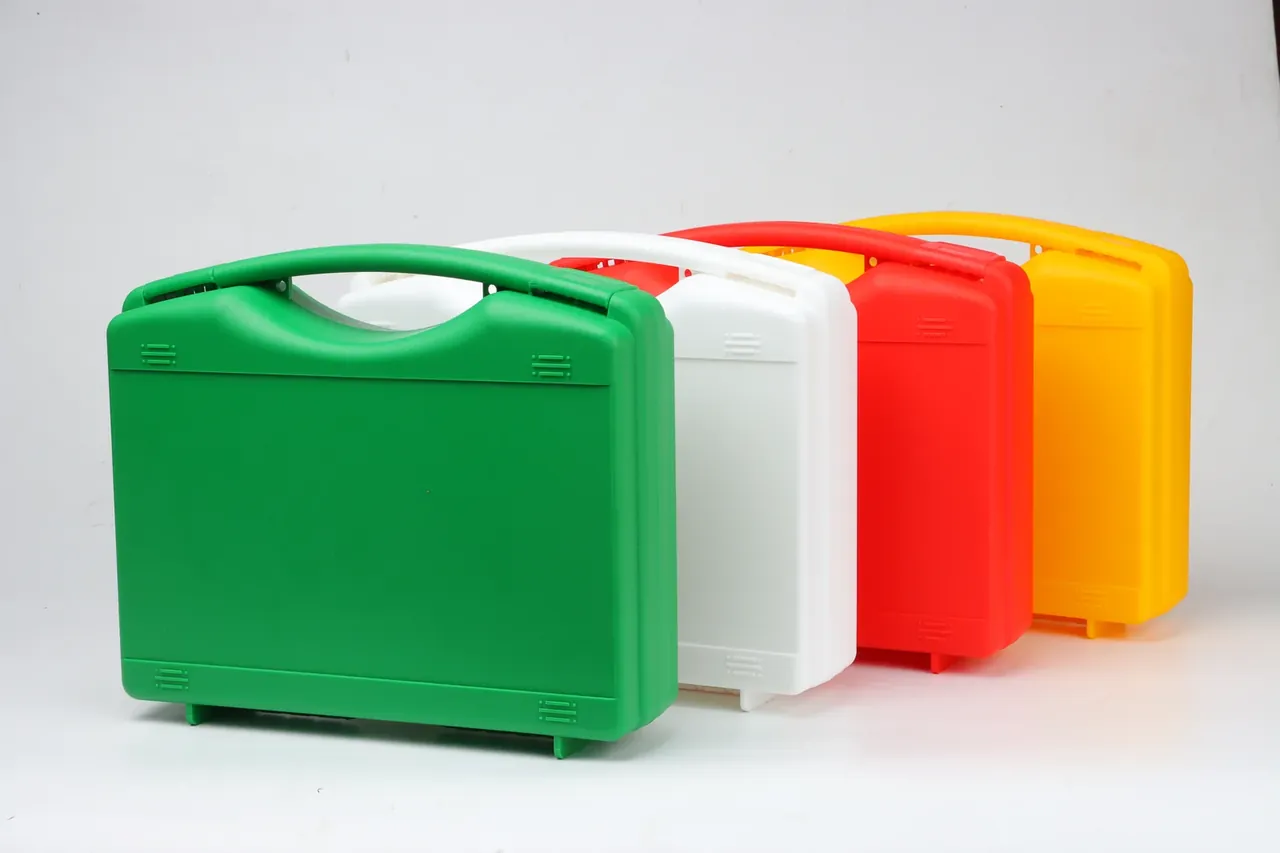
Logo printing, custom foam inserts, colors and sizes on request.

Global Supply

Exported to 20+ countries across Europe, America, Japan, Korea and the Middle East.

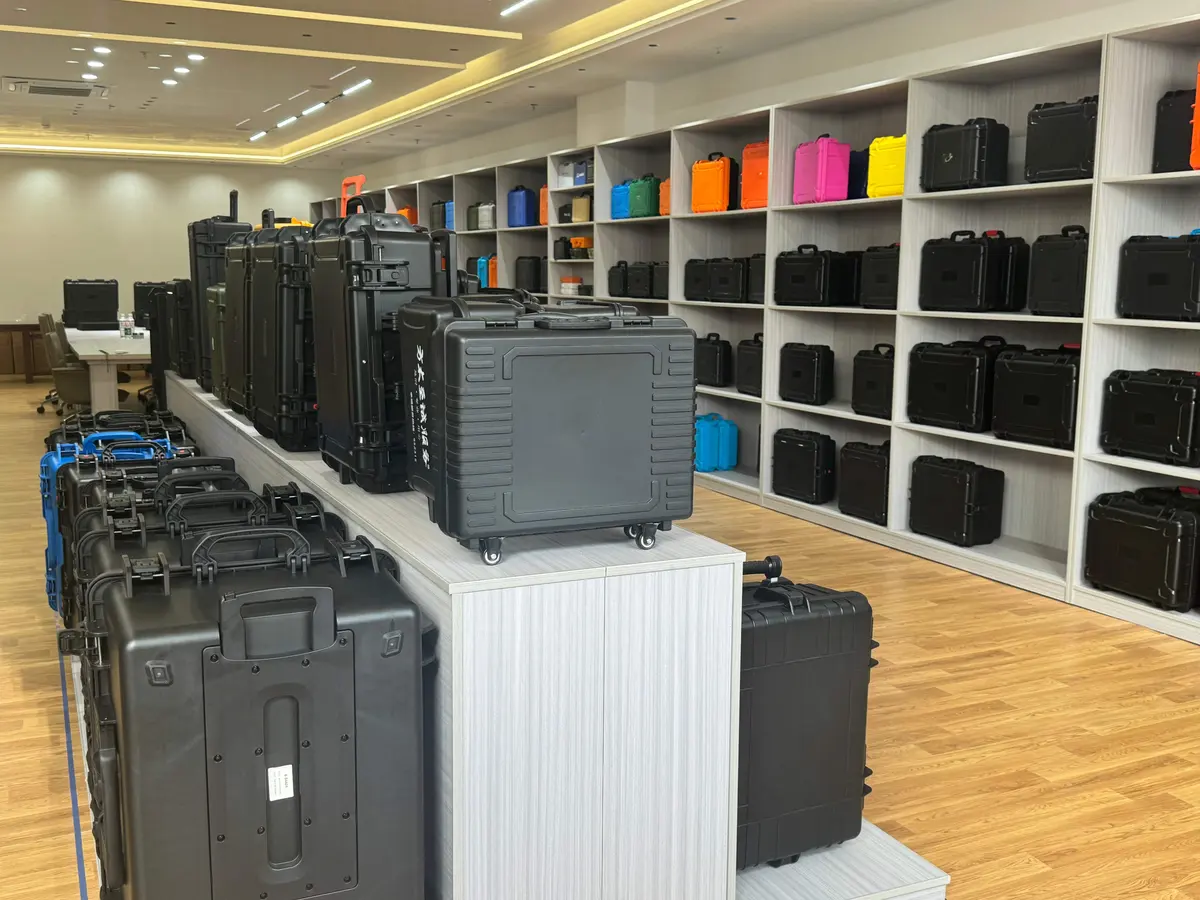
150+
Product Models
18,000㎡
Factory Area
80+
Machines
20+
Countries Served
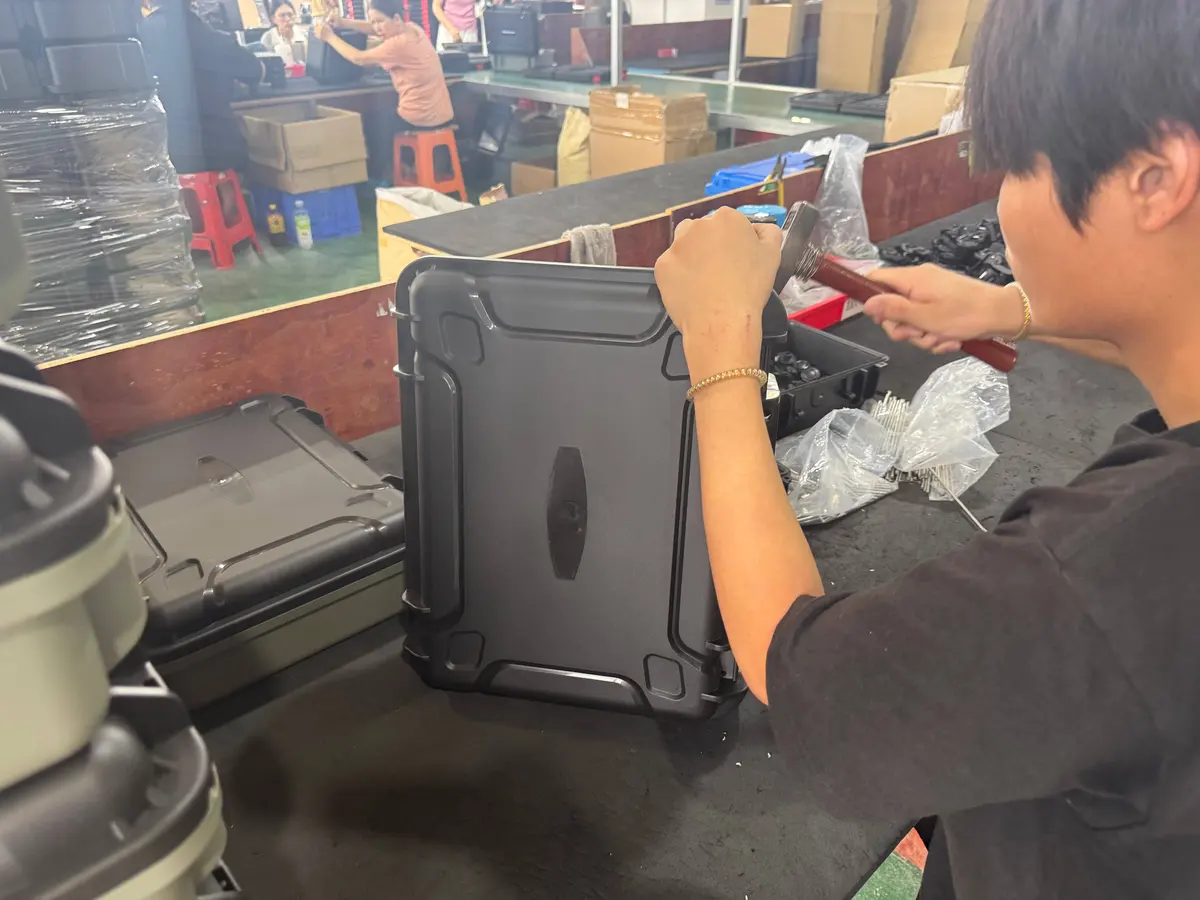
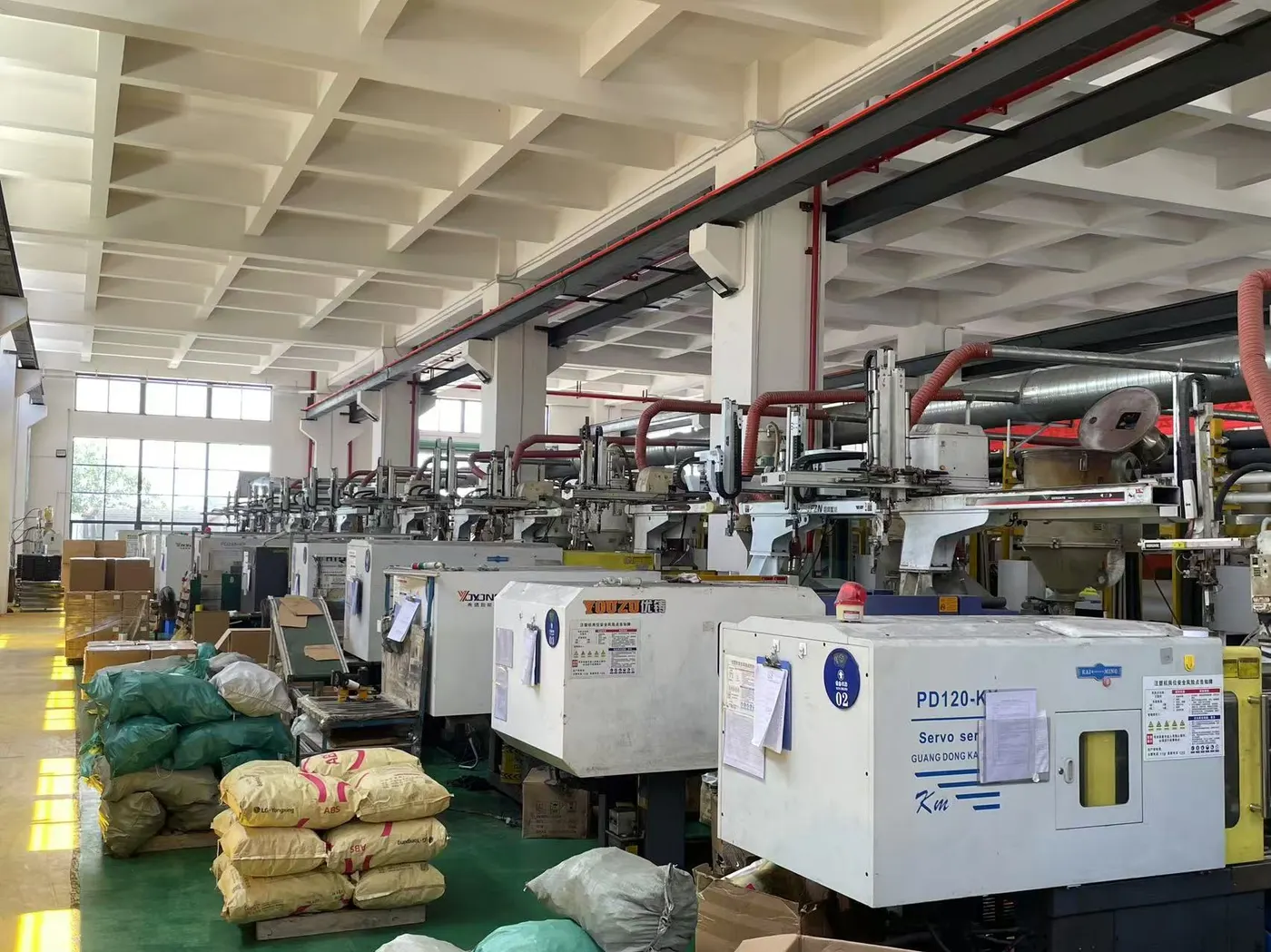
JUNZHIJIA factory
ABOUT US

Protection With Purpose

Zhongshan Junzhijia Plastic Products Co., Ltd. is a manufacturing enterprise integrating product design, injection molding, tooling, logo printing and custom foam inserts, delivering one-stop protective case solutions worldwide.

  • ISO9001, RoHS and IP67 certified
  • 20+ patents; quality meets demanding professional use
  • Wholesale, distribution, OEM and global supply

Learn More →
BOXNOW

Latest Articles

Wooden Case Alternatives: Evaluating Replacement by Plastic Turnover Cases
2026-10-16

Wooden Case Alternatives: Evaluating Replacement by Plastic Turnover Cases

Wooden case alternatives are a systemic replacement decision, not a simple material swap. This guide evaluates plastic turnover cases against wooden cases across fumigation-free ISPM 15 compliance, lightweight handling, load and stacking capacity, temperature and chemical limits, and pallet size matching. It analyzes the five pain points of wooden cases, lifecycle cost accounting across eight cost items, payback period modeling with sensitivity analysis, clear suitability boundaries for overweight and oversized items, and mixed transition plans that run wooden and plastic pools in parallel. A six-step implementation path covers baseline audit, product grouping, sample testing to ISTA and GB/T standards, pilot runs, circulation pool build-out, and contract hardening, plus maintenance and retirement rules for long-term operation. Use it to build a verifiable selection and decision basis for export packaging retrofit, heavy industrial logistics, and cost optimization projects.

Read Article →
Wood Packaging Quarantine Case: Phytosanitary Treatment for Export Wood Packaging
2026-10-16

Wood Packaging Quarantine Case: Phytosanitary Treatment for Export Wood Packaging

Wood packaging quarantine covers the phytosanitary treatment, IPPC marking, and export declaration of solid wood crates, pallets, and frames used in international trade. This guide explains the ISPM 15 scope and exemptions, heat treatment and methyl bromide fumigation parameters, mark format and verification, the declaration and phytosanitary certificate workflow, and the combined use of wood outer crates with inner protective cases. It also compares plastic cases as a wood-free alternative, sets out internal treatment ledgers, supplier audits, material and structural craft, mark maintenance, common return risks, procurement cost views, and reuse rules, giving exporters, packaging plants, and freight forwarders a traceable compliance framework.

Read Article →
Sustainable Packaging Certification: Application and Audit for Cases
2026-10-16

Sustainable Packaging Certification: Application and Audit for Cases

Sustainable packaging certification is the entry ticket for protective cases entering green supply chains and ESG-driven procurement. This guide maps the certification landscape for cases, including recycled-content verification schemes such as GRS and RCS, environmental and energy management systems under ISO 14001 and ISO 50001, product carbon footprint quantification under ISO 14067, environmental product declarations, and FSC chain of custody for wooden and paper components. It explains how to prepare bills of materials, traceability ledgers, and energy data before application, walks through the six-step application process and the stage-one and stage-two audit structure, and lists common nonconformities with corrective-action practice. It then covers certificate maintenance, surveillance audits, and scope extension, and gives buyers a four-step method to verify certificates, transaction certificates, and carbon claims, with sample procurement and tender clauses that turn environmental claims into measurable acceptance criteria for both case factories and purchasing teams. Practical checklists and archive rules are included for audit day.

Read Article →
Chemical Compliance for Cases: Restricted Substance Lists and Declaration Files
2026-10-16

Chemical Compliance for Cases: Restricted Substance Lists and Declaration Files

Chemical compliance for protective cases: restricted substance lists, homogeneous-material testing, declaration files, supply-chain data collection, and nonconformance traceability for controlled markets.

Read Article →
Reusable Transit Case Program: From Pilot to Scaled Operation
2026-10-16

Reusable Transit Case Program: From Pilot to Scaled Operation

A reusable transit case program is an operating system rather than a purchasing event, and it succeeds only when cases are run as assets with an identity, a ledger, and a maintenance regime. This guide lays out the full methodology for supply chain and logistics directors, circular packaging program teams, and third-party pooling providers. It starts with a current-state audit that records part number, dimensions and weight, sensitivity, packaging cost, outbound frequency, and both end nodes for every circulating unit, then shows how to convert that data into average daily case flow, peak factor, loop cycle, and the total fleet needed in transit and on site. From there it covers pilot design on a single lane with a controlled scope, baseline data collected over four to six weeks including one peak week, and review gates at week four and week eight. Case selection and stacking standardization are explained with the GB/T 4892 dimension series, the GB/T 2934 pallet footprint, the four-times static load rule, and the stack height limit. Unique coding, QR and RFID traceability, ledger fields, cleaning and maintenance node layout, reverse logistics models, and staged loss-rate targets follow, and the cost chapter builds cost per use from five components and defines the break-even trip count.

Read Article →
Recycling Mark Cases: Material Marking and Sorting Guidance
2026-10-16

Recycling Mark Cases: Material Marking and Sorting Guidance

A recycling mark case carries material identification marks on its shell, liner, hardware, and accessories so that a retired protective case can be diverted by material class instead of dumped as mixed feedstock. This guide explains the resin identification codes 1 through 7, the Mobius loop and its usage limits, component-level material makeup, moulded-in marks versus label marking, shell and liner marking practice, metal and electronic module handling, and how mono-material design raises recyclability and retirement residual value. It covers sorter-friendly legibility design with measurable size and contrast values, teardown and five-stream diversion guidance for retired cases, and compliance standards from GB/T 16288 and ASTM D7611 to EN 15343 and the EU packaging regulation, plus procurement clauses and acceptance checks that keep marks consistent with declarations. Written for recycling operators, waste-management desks, and packaging labeling teams, it turns marks into a traceable, auditable, and monetizable management loop, with measurable parameters and steps.

Read Article →
View all articles →